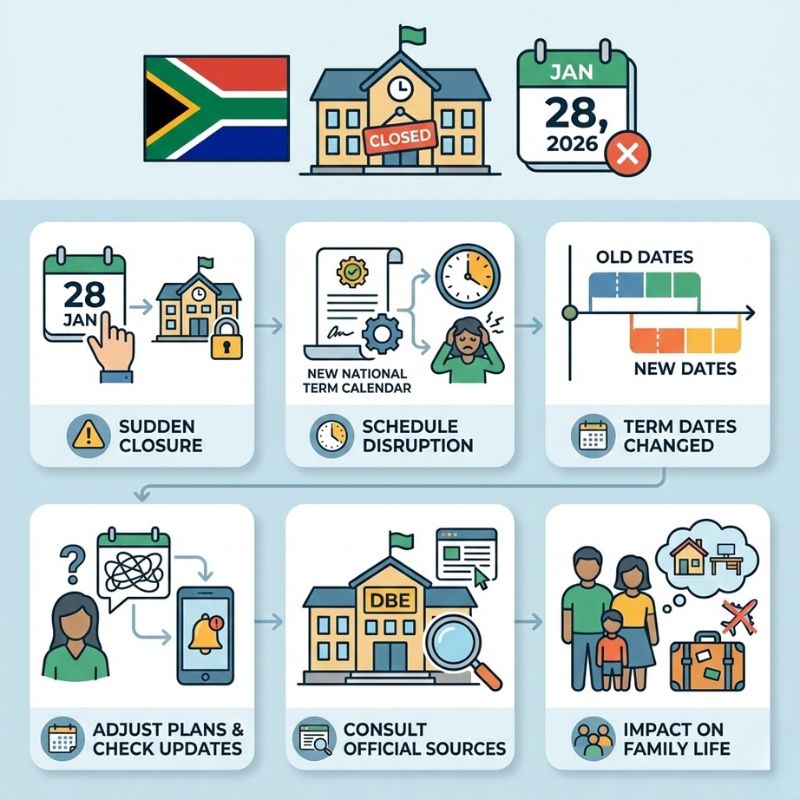
The South African Department of Education has released an updated school holiday calendar for learners across the country. The revised schedule is aimed at improving the structure of the academic year while creating a healthier balance between learning time and rest periods for both students and teachers. Under the new plan, schools will close on 28 January. These scheduled breaks are designed to give learners sufficient time to rest and recover, which plays an important role in supporting physical health, mental wellbeing, and overall academic performance. The updated calendar reflects the department’s effort to adapt to the evolving needs of the education sector.

Understanding the Revised School Holiday Schedule
The newly introduced holiday calendar is intended to provide greater clarity and consistency across all education levels in South Africa. By setting the school closure date on 28 January, the Department of Education aims to better align the academic year with national events and public holidays.
This adjustment is expected to support several important outcomes, including:

– Closer alignment with national public holidays
– Improved student performance through adequate rest periods
– Better planning opportunities for teachers and school staff
– Increased time for family interaction and community involvement
Important Dates in the Updated Academic Calendar
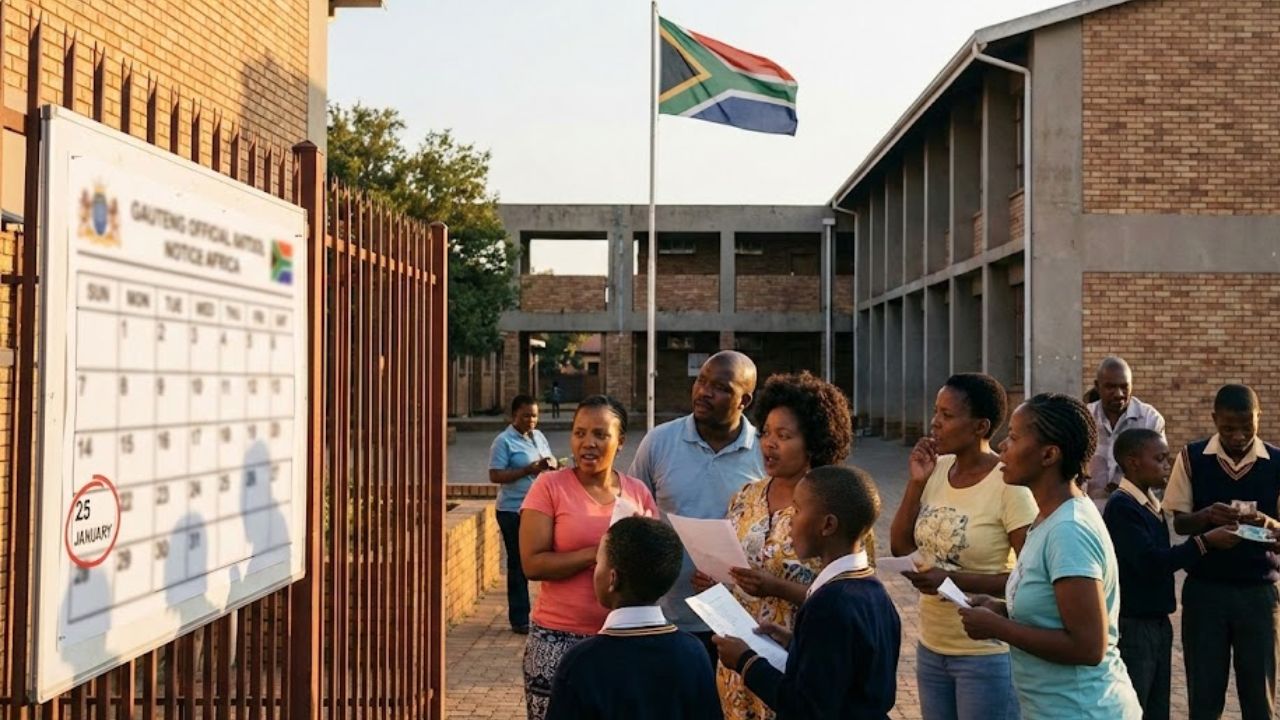
To ensure that parents, learners, and educators remain well informed, the Department of Education has released a detailed timetable outlining key academic dates for the year. Along with the 25 January school closure, the calendar highlights major milestones to help everyone plan ahead.
Revised School Academic Calendar
| Event | Date | Description |
|---|---|---|
| School Term Ends | 28 January | Conclusion of the current academic term |
| Teachers’ Development Conference | 28 January | Professional training and skills development |
| Spring Vacation | 21– 30 January | Short seasonal break for students |
| Final Year Examinations | 15 – 30 January | End-of-year assessments |
| School Reopens | 29 January | Start of the new academic year |
What the New Calendar Means for Students and Families
The revised holiday schedule is expected to bring several benefits for students and their families. A clear and well-structured academic calendar allows households to plan travel, family activities, and personal commitments with greater confidence.
The mid-year break beginning on 25 January offers learners valuable time to rest and reset, which can improve focus and academic performance once school resumes. Key benefits of the updated schedule include:
– Reduced stress due to predictable holiday periods
– More opportunities for family bonding
– Extra time for extracurricular and community activities
– Improved concentration and motivation after breaks
– Greater flexibility for family planning
Considerations for Teachers and School Staff
For educators and school personnel, the revised calendar provides additional time for preparation and professional growth. The 25 January closure allows teachers to participate in training sessions, workshops, and planning activities that help strengthen classroom outcomes.
During this period, teachers can:
– Collaborate on curriculum planning

– Focus on personal wellbeing and self-care
– Prepare structured lesson plans for upcoming terms
Potential Challenges and How They Are Being Managed
While the revised calendar offers clear advantages, it also presents certain practical challenges. The Department of Education has acknowledged these concerns and is working with schools and communities to manage them effectively.
Key challenges include:
– Adjusting schedules for working parents
– Managing childcare during extended breaks
– Ensuring equal access to learning resources
– Handling operational and administrative logistics within schools
Community Input and Ongoing Engagement
Community participation has played an important role in shaping the updated school calendar. Feedback from parents, teachers, and learners helped refine the final schedule and address key concerns.
Engagement efforts included:
– Surveys to gather public opinions on proposed dates
– Workshops to discuss potential impacts
– Feedback sessions for questions and concerns
– Online forums to encourage wider participation
– Collaboration with education stakeholders
Long-Term Education Objectives
With the revised calendar now in place, the Department of Education continues to focus on long-term goals that support learners across South Africa. These objectives aim to balance academic success with holistic student development, ensuring learners are well prepared to contribute positively to society in the future.